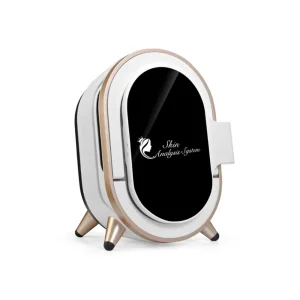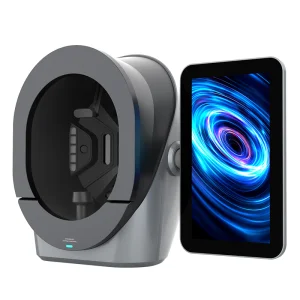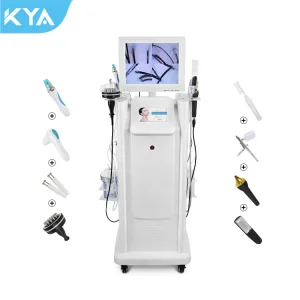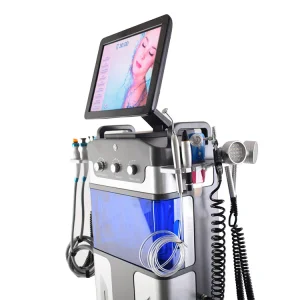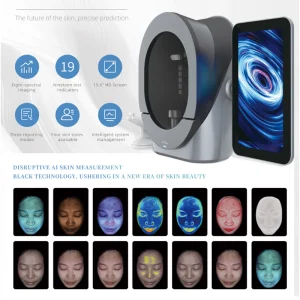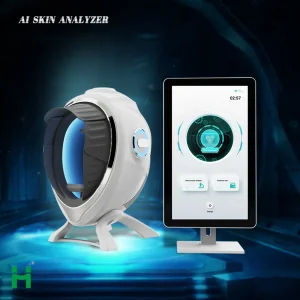
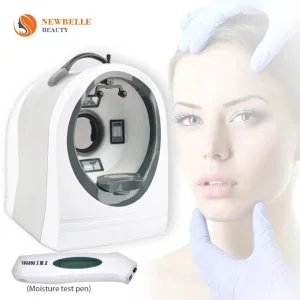
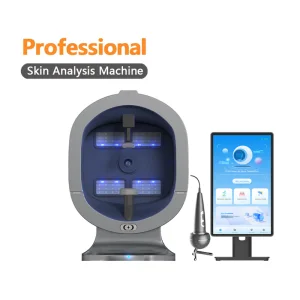
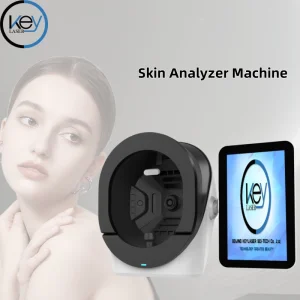
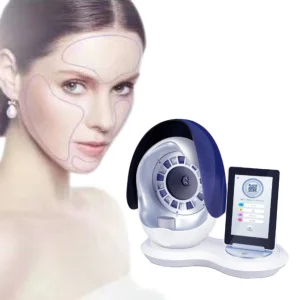

The global market for medical aesthetics and cosmetic dermatology has entered an era governed by data-driven diagnostics. Clinical skin analysis systems are no longer just optional diagnostic utilities; they are the foundational starting point for patient retention, treatment validation, and personalized skincare sales. From premium aesthetic clinics in Beverly Hills to advanced medspas in Munich and cosmetic research centers in Seoul, the deployment of 3D facial imaging systems and multi-spectral analyzers has seen double-digit annual growth rates.
Modern consumers demand empirical evidence of treatment outcomes. Without scientific data, aesthetic providers face challenges in demonstrating the efficacy of non-invasive facial rejuvenation treatments, laser resurfacing, chemical peels, and targeted cosmetic regimens. Skin analysis systems fulfill this gap by translating dermal qualities into quantifiable parameters, establishing clear baselines and tracking progress over time.
Concurrently, the manufacturing landscape has evolved from basic optical magnifiers to complex artificial intelligence engines. Leading manufacturers now build devices integrating high-definition image sensors, polarized and UV light channels, and machine learning pipelines. These pipelines instantly compare a patient's dermal metrics against massive datasets. Consequently, purchasing decisions have shifted from pure capital expense reviews to strategic evaluations of optical calibration, cloud database compliance (such as HIPAA and GDPR), and proprietary analysis algorithms.
"By 2026, the integration of AI diagnostics in medical spa clinics is expected to increase treatment booking conversion rates by over 38%, transforming the skin analyzer from an evaluation tool to a key revenue generator."
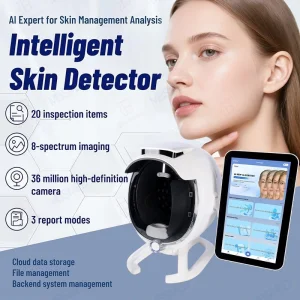
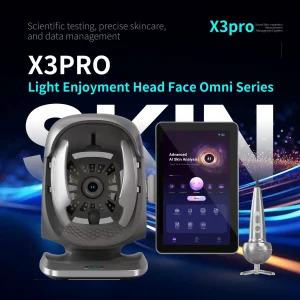
True objective skin analysis relies on deep optical evaluation. Modern machines utilize a combination of specialized light wavelengths to capture subsurface structures that are completely invisible to the naked human eye. Below is a breakdown of the standard wavelengths used by leading manufacturers like Ningbo Biology Skincare Co., Ltd. and their clinical applications.
Captures surface-level features including superficial pigmentation, visible fine lines, coarse wrinkling, texture variations, pore diameter, and surface scaling under standardized, diffused daylight simulation.
By eliminating specular surface reflection, this channel isolates the sub-epidermal vascular network. It is crucial for mapping erythema, telangiectasia, acne inflammation, and rosacea severity.
Fluoresces deep-seated melanin deposits and active porphyrin bacteria in the pores. Ideal for mapping hidden UV sun damage, deep-layer chloasma, and predictive acne pathways.
| Spectral Wavelength | Illumination Technology | Primary Diagnostic Target | Clinical Value & ROI Impact |
|---|---|---|---|
| RGB Daylight (400-700nm) | Diffused High-CRI White LED | Macro Texture, Fine Lines, Pores | Establishes visual baseline; drives cosmetic purchases. |
| Parallel Polarized (PL) | Linear Polarized Filtration | Surface Wrinkles, Dryness, Keratinization | Validates microdermabrasion and chemical peel outcomes. |
| Cross-Polarized (CP) | 90-Degree Orthogonal Polarizer | Hemoglobin, Redness, Capillaries | Assesses laser treatments, IPL therapies, and soothing treatments. |
| UV Fluorescence (365nm) | High-Power UVA LED Array | Porphyrin, Deep Melanin, UV spots | Unveils future pigmentation; drives sunscreen and detox plans. |
| Wood's Light (Deep UV) | Filtered 365nm Narrow Band | Sebum Secretion, Skin Hydration | Customizes hydration therapies and oil-control programs. |
Ningbo Biology Skincare Co., Ltd. is a professional China facial machine manufacturer dedicated to the research, development, production, and supply of advanced beauty equipment for salons, spas, aesthetic clinics, and skincare professionals worldwide. With a strong commitment to innovation, quality, and customer satisfaction, the company delivers comprehensive aesthetic device solutions for the global beauty industry.
Equipped with modern manufacturing facilities and advanced production technologies, Ningbo Biology Skincare offers a wide range of professional beauty equipment, including hydra facial machines, RF facial machines, HIFU systems, skin analysis devices, oxygen facial machines, LED therapy equipment, multifunction beauty machines, and other non-invasive aesthetic solutions. These products are widely used for skin rejuvenation, anti-aging treatments, facial cleansing, skin tightening, and overall skincare enhancement.
Innovation drives the company's continuous growth. Supported by an experienced R&D team, Ningbo Biology Skincare constantly develops new technologies and upgrades existing products to meet the evolving demands of beauty professionals and aesthetic institutions. The company also provides customized OEM and ODM services, enabling customers to create differentiated products and strengthen their market competitiveness.
Quality is at the center of every operation. Strict quality control procedures are implemented throughout the entire manufacturing process, from component sourcing and assembly to final testing and inspection. All products are designed to comply with international quality and safety standards, ensuring reliable performance, durability, and user safety.
With competitive manufacturing capabilities, professional technical support, and efficient global logistics services, Ningbo Biology Skincare Co., Ltd. has established long-term partnerships with distributors, beauty brands, salons, and clinics around the world. The company remains committed to providing innovative facial machines and professional beauty equipment that help customers deliver exceptional skincare treatments and achieve business growth.
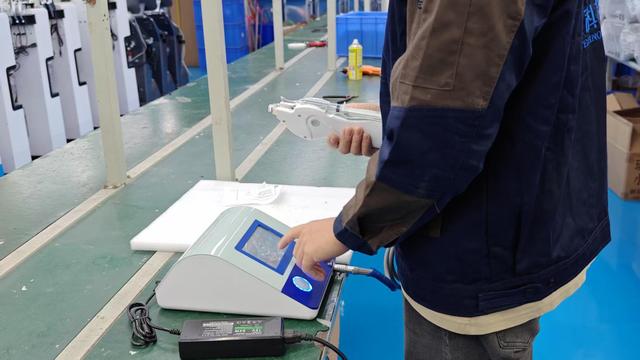

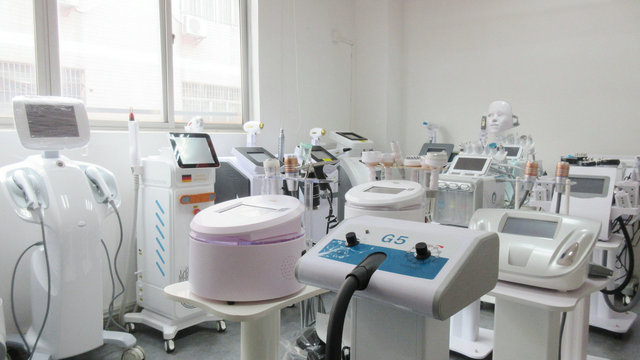
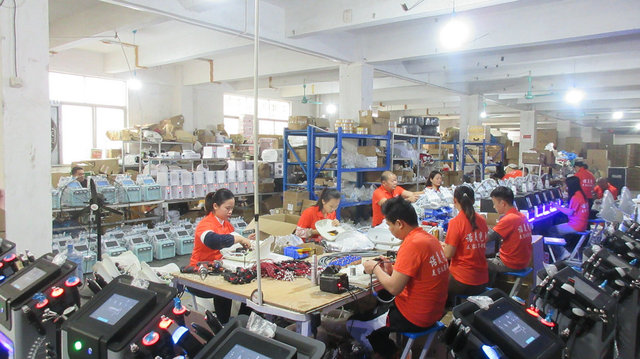

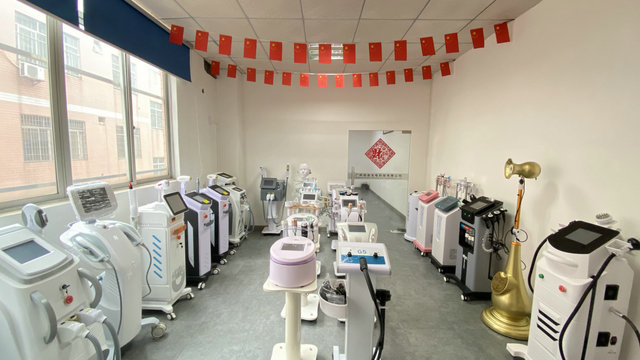

The absolute efficiency of Chinese optical-aesthetic manufacturing hubs is built on highly integrated industrial clusters. Unlike isolated factories in Western nations, manufacturers located in economic zones like Ningbo benefit from immediate access to local ecosystems of precision optical engineers, plastic injection molding specialists, PCB designers, and CNC machining shops. This structure allows Ningbo Biology Skincare to transition new product concepts from initial R&D to ready-to-ship devices in a fraction of the traditional lead time.
Additionally, mass-scale component sourcing dramatically reduces costs without compromising quality. Raw materials, high-density LED arrays, camera lenses, and mechanical casings are sourced under strict ISO-9001 frameworks. This proximity reduces transit times, minimizes supply-chain friction, and ensures that hardware modifications requested by global clients during OEM/ODM designs can be verified and implemented in days rather than months.
Furthermore, China's logistical infrastructure plays a key role. Deep-water ports like the Port of Ningbo-Zhoushan facilitate sea freight, while direct air networks provide fast delivery options for distributors globally. By combining localized component manufacturing, automated assembly workflows, and skilled technical labor, China-based manufacturers deliver aesthetic devices with up to 40% better performance-to-cost ratios compared to manufacturers in Europe or North America.
Our structural design team and component sourcing pipelines comply with CE, RoHS, and FDA guidelines, ensuring that our supply chain efficiencies translate directly to our international partners' regulatory and technical requirements.
Medical professionals use multi-spectral analysis to identify subsurface solar damage, vascular conditions, and deep pigmentation patterns. By showing clear before-and-after reports, clinics can justify laser, IPL, and microneedling treatment costs and build patient trust.
Aesthetic therapists use portable or desktop analysers to customize beauty regimens and treatments, such as hydro-facials, oxygen-infusion, or microcurrent therapies. Tracking improvement scores keeps clients engaged, leading to higher product and treatment packages sales.
Beauty brands use customized, tablet-connected analysis systems at retail points to recommend specific skincare formulations. Instantly identifying hydration levels, pore congestion, and sun spots provides customers with objective reasons to purchase recommended products.
Avoid entry-level webcams with low-resolution sensors. Look for manufacturers offering high-resolution imaging sensors (minimum 16MP up to 24MP) coupled with multi-spectral LED panels. Sharp details are essential for spotting micro-wrinkles and pore blockages accurately.
Verify whether the analysis software runs locally or via secure cloud servers. Advanced platforms utilize deep-learning algorithms capable of comparing client skin metrics against international reference groups. Make sure the database hosting conforms to GDPR or HIPAA guidelines if client data is stored.
For large-scale distributors or cosmetic brands, having access to an SDK or API is key. This allows the diagnostic data to feed directly into your CRM, salon booking software, or product formulation engine, building a unified ecosystem.
A reliable manufacturing partner must offer flexible OEM/ODM services. This includes hardware customizations (such as housing design, color schemes, and logo prints) as well as custom software interfaces, allowing brands to launch products with unique features.
Modern clinics require cohesive workflows. The skin analyzer should easily link with other modalities, such as Hydra Facial machines, RF microneedlers, or Laser devices, allowing diagnostic findings to immediately dictate treatment parameters.
B2B Buyers Checklist: Ensure your manufacturer provides CE certification, localized software in major world languages, detailed user manuals, video training materials, and spare parts support.
 Biology Skincare